Some adults see fantasy as “just pretend.”
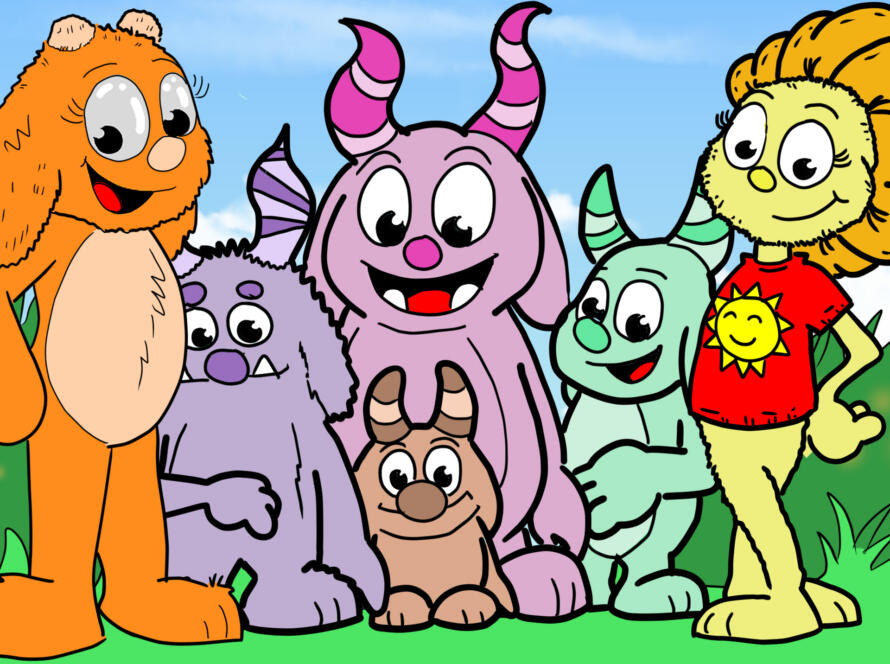
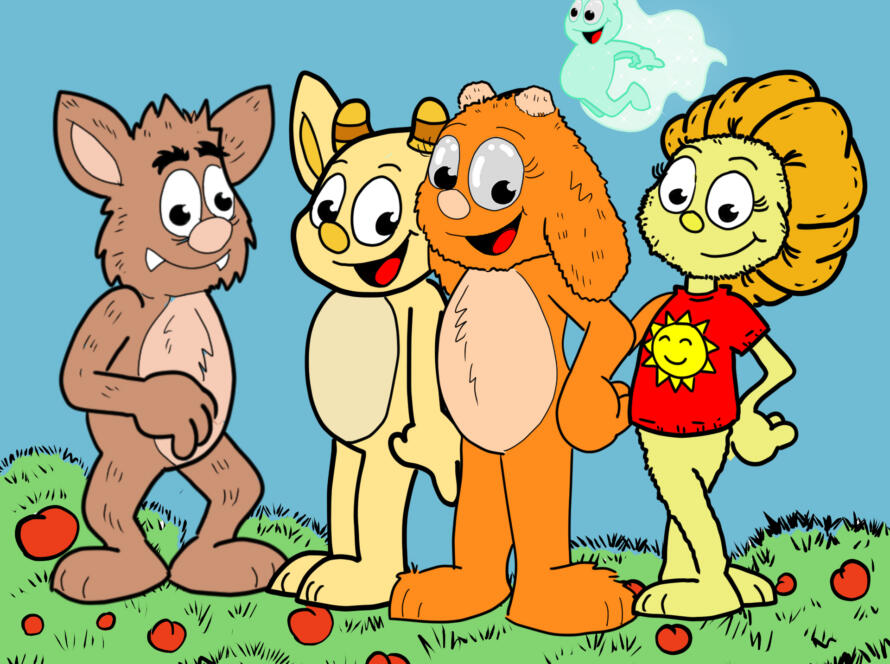
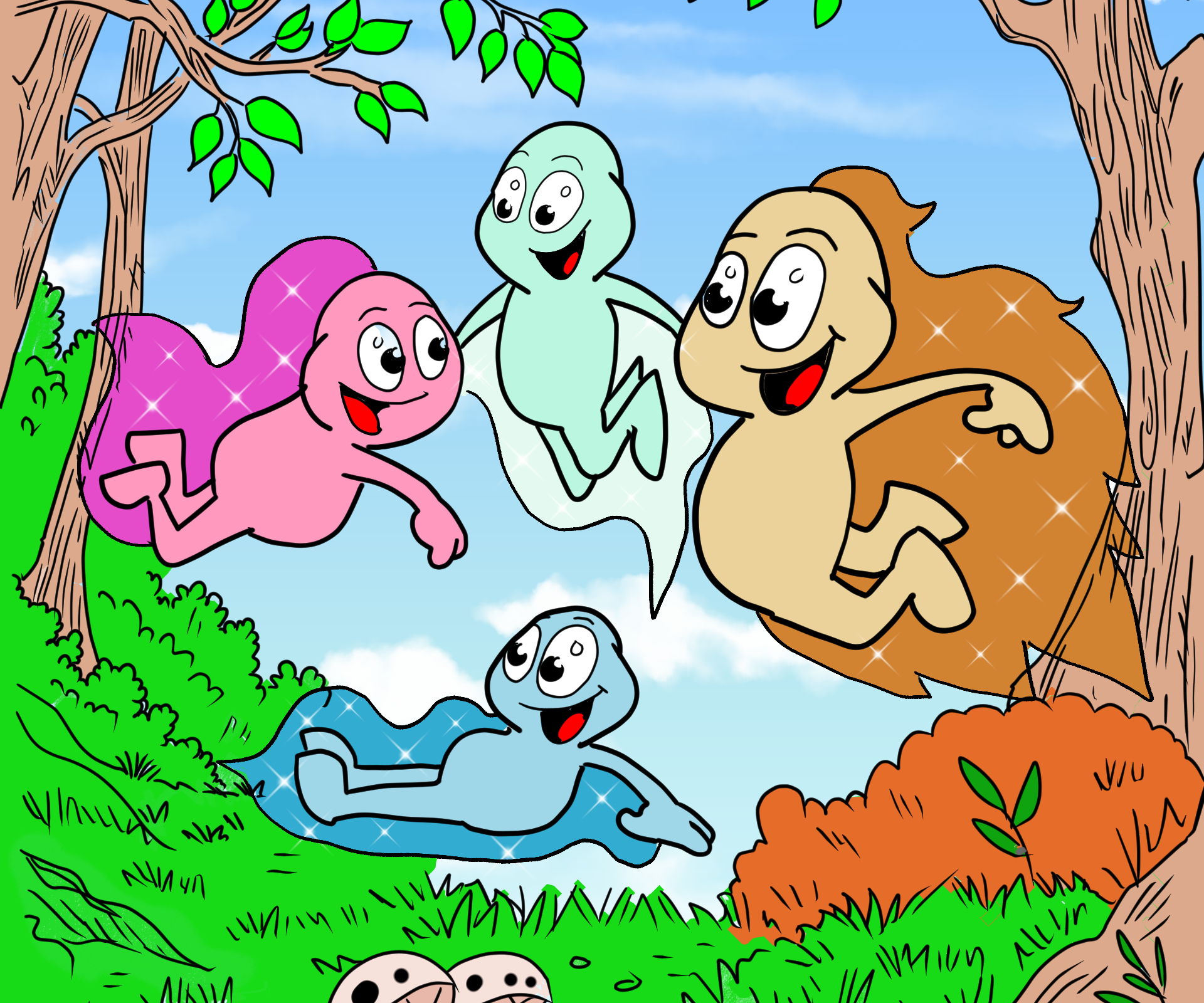
Talking animals. Magical forests. Monsters with glowing fur. Flying creatures and hidden kingdoms.
But to a child, fantasy is not an escape from reality.
It’s a way of understanding it.
Fantasy stories play a powerful role in child development. They help children explore emotions, solve problems, and build resilience — all within the safe boundaries of imagination.
Far from being frivolous, fantasy is one of the most developmentally rich genres a child can experience.
Fantasy helps children process big emotions
Children experience strong emotions long before they have the vocabulary to explain them.
Fear. Jealousy. Anger. Loneliness. Embarrassment. Uncertainty.
Fantasy gives those feelings shape.
A monster in the woods can represent fear of the unknown.
A magical storm might mirror overwhelming emotions.
A tricky guardian could symbolise a difficult challenge.
Because the setting is imaginary, children can explore those emotions at a safe distance. The story becomes a rehearsal space for real life.
When a character feels scared but keeps going, a child learns what courage looks like.
When a character makes a mistake and repairs it, a child sees that errors are survivable.
Fantasy makes emotional learning feel adventurous rather than confronting.
Imagination builds cognitive flexibility
Fantasy stories stretch the brain.
When children enter an imaginary world, they must hold new rules in their minds:
- Creatures may talk.
- Magic might influence the weather.
- Plants might respond to feelings.
- Monsters might be kind.
This mental stretching strengthens cognitive flexibility — the ability to think in different ways and adapt to new situations.
Cognitive flexibility is linked to:
- problem-solving skills
- creative thinking
- resilience
- academic success
In other words, imagination is not the opposite of learning.
It is a pathway to it.
Fantasy strengthens empathy
When children read realistic stories, they may compare themselves directly to characters.
In fantasy, that comparison softens.
It is easier for a child to empathise with a small monster navigating a mysterious forest than with a perfectly confident human hero.
Fantasy characters allow children to step outside themselves safely. They learn to ask:
- Why is that character feeling that way?
- What would I do in that situation?
- How would I help?
Because the world is magical, the focus shifts from social comparison to emotional understanding.
This is one reason why stories with gentle monsters, magical creatures, and imaginative settings often carry strong positive messages in children’s stories.
Fantasy creates a safe space for courage
Children encounter uncertainty daily:
- starting school
- making friends
- trying something new
- speaking up
Fantasy mirrors these experiences in symbolic form.
Entering a dark forest becomes the story version of trying something unfamiliar.
Meeting a mysterious creature becomes a metaphor for meeting someone new.
When a character steps forward despite fear, children rehearse that same bravery internally.
They see that courage is not the absence of fear.
It is action taken alongside fear.
Fantasy provides a safe stage for practising that lesson.
Fantasy supports emotional regulation
In magical worlds, emotions often have visible consequences.
Storms might form.
Plants might wilt.
Paths might change.
These exaggerated responses make emotional cause and effect easier for children to understand.
If a character’s anger leads to chaos, children see the impact.
If calm thinking restores balance, they see that too.
Because fantasy externalises emotion, it makes regulation visible.
For children still learning how their feelings work, that visibility is powerful.
Fantasy encourages problem solving without violence
Traditional adventure stories sometimes centre around defeating an enemy.
Modern fantasy often shifts the focus to:
- understanding
- negotiation
- cooperation
- thoughtful decision-making
This shift matters.
When characters solve problems through awareness, kindness, or perseverance, children learn that strength is not always loud or forceful.
Empowering kids books increasingly reflect this approach. They show that heroes can be gentle. That wisdom can be more powerful than aggression.
Fantasy offers endless possibilities — and those possibilities allow authors to model thoughtful solutions.
Fantasy validates uniqueness
Many children feel different at some point.
Too quiet.
Too sensitive.
Too imaginative.
Too cautious.
Fantasy worlds celebrate difference.
In magical settings, unusual traits often become strengths. A character’s softness may allow them to connect. A character’s curiosity may lead to discovery. A character’s kindness may solve a conflict.
Children reading these stories begin to internalise an important idea:
Being different does not mean being wrong.
Fantasy can quietly affirm identity.
Fantasy supports long-term love of reading
Children are drawn to wonder.
Mystery and magic naturally sustain attention. A story that includes hidden paths, magical creatures, or enchanted places invites curiosity.
Curiosity fuels reading stamina.
When children fall in love with imaginative worlds, they are more likely to:
- read longer books
- follow a series
- re-read chapters
- engage in creative play inspired by the story
That repeated engagement strengthens literacy without feeling like work.
Fantasy connects story to real life
The most powerful fantasy stories do not replace reality.
They illuminate it.
After closing the book, a child may look at:
- a garden differently
- a forest differently
- their emotions differently
They may begin to ask:
- What would I do in that situation?
- Was I brave today?
- Did I make a careful choice?
Fantasy does not pull children away from the real world.
It helps them return to it with new understanding.
Why this matters now
In a fast-paced, screen-heavy world, children are exposed to constant stimulation.
Fantasy stories offer something slower and deeper:
- imagination without noise
- reflection without pressure
- adventure without danger
They allow children to practise courage, empathy, awareness, and resilience in a way that feels safe and joyful.
Far from being “just pretend,” fantasy is rehearsal for life.
And sometimes, the safest place to grow is inside a story about a monster with a very kind heart.