Parents and teachers often ask the same question:
How do we teach children important values without sounding like we’re lecturing them?
We want children to learn about courage, responsibility, trust, perseverance, and kindness — but we also know that long explanations or moral speeches don’t always stick.
The truth is simple:
Children don’t learn values from being told.
They learn values from watching them in action.
That’s where storytelling becomes powerful.
Why stories teach values so effectively
Stories give children something that direct instruction cannot — emotional experience.
When a child reads about a character who feels scared but keeps going, they feel that fear.
When a character has to decide whether to take too much or leave some for others, they experience the choice.
This emotional engagement helps values move from abstract ideas to lived understanding.
Instead of hearing:
“You should be responsible.”
They see:
What responsibility looks like in real life.
That difference matters.
Moving beyond “The moral of the story”
Many older children’s books ended with a clear moral — sometimes even stated outright.
But modern children are quick to sense when something feels preachy.
The key isn’t to remove values.
It’s to embed them naturally.
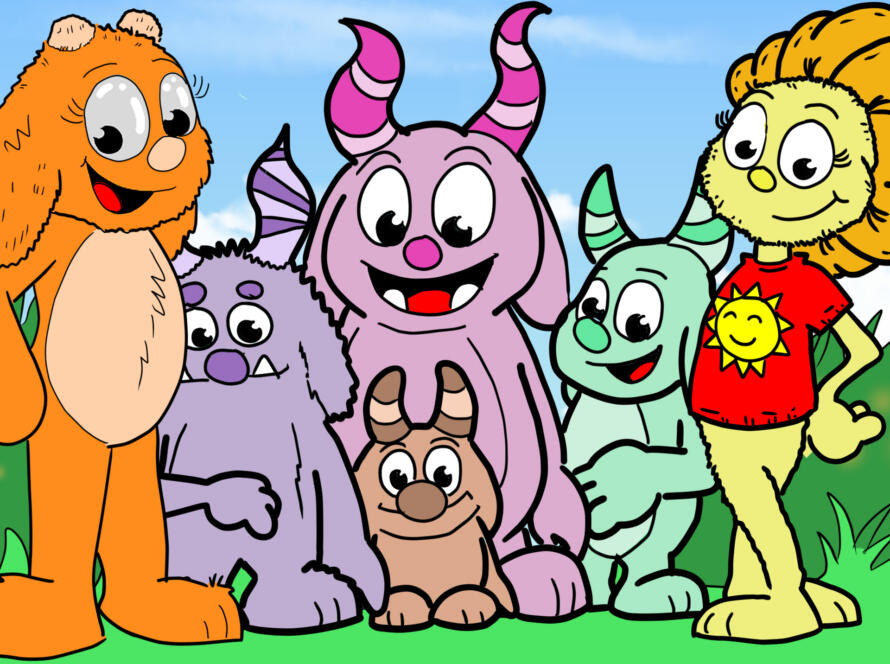
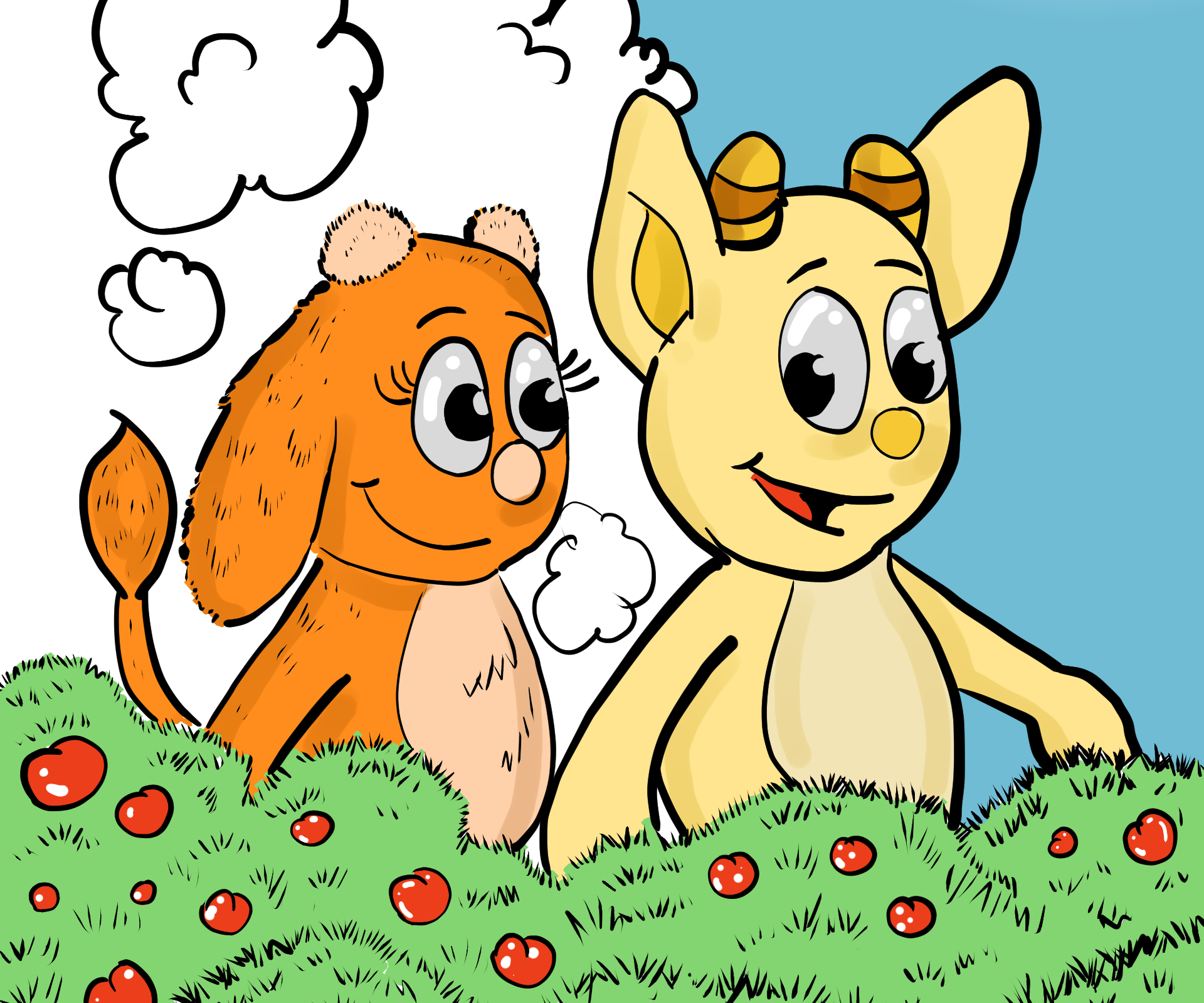
In Flora Fluffhorn and the Whispering Woods, each chapter tells an adventure first — mystery, tension, friendship, challenge.
Then, at the end of the chapter, a dedicated values page gently highlights one specific value found in the story.
Not as a lecture.
But as a reflection.
This approach allows children to:
• Connect with the character
• Recognise the value in action
• Reflect on what it means in their own life
It keeps the story magical — while still making the message meaningful.
How the values pages work
At the end of each chapter in Flora and the Whispering Woods, readers find a short, child-friendly reflection page.
Each page focuses on one clear value from the chapter, such as:
- Courage
- Responsibility
- Stopping to Think
- Making Careful Choices
- Perseverance
- Awareness
- Trust
The format is simple and consistent:
- What Flora Did – A short reminder of the moment in the story.
- Why It Matters – A brief explanation in kid-friendly language.
- A Question for the Reader – Encouraging gentle reflection.
- “Flora Says…” – A short in-character comment that feels warm and relatable.
This structure works because it keeps the focus on the story — not the lesson.
Children don’t feel corrected or instructed.
They feel included.
Why this approach supports emotional growth
When children reflect on values in small, consistent ways, they begin building:
- Emotional awareness
- Decision-making skills
- Empathy
- Self-confidence
For example:
When Flora feels nervous about entering the woods but takes a step anyway, children see courage as something quiet and achievable — not dramatic or loud.
When Flora pauses before making a choice, children see that thinking first can prevent bigger problems.
When she chooses to trust carefully, children see that trust isn’t blind — it’s thoughtful.
These moments create small but meaningful shifts in understanding.
And over time, those shifts add up.
Why consistency matters in teaching values
Values are not learned in one conversation.
They are built over time.
By placing a values reflection at the end of each chapter, children begin to expect that stories connect to real life.
This consistency helps them internalise the idea that:
Stories aren’t just entertainment.
They’re practice.
Practice for friendship.
Practice for bravery.
Practice for handling tricky situations.
And because each value is tied to a specific event in the story, it feels concrete rather than abstract.
Supporting parents and teachers
Another benefit of chapter-based value reflections is that they create natural conversation starters.
Instead of asking:
“What’s the moral of the story?”
Parents can ask:
“Why do you think Flora made that choice?”
“Would you have done the same thing?”
“Have you ever felt like that?”
These small conversations build emotional vocabulary.
They also help children connect books to their own experiences — which strengthens both literacy and emotional development.
Stories shape character quietly
One of the most powerful things about children’s literature is that it shapes identity gently.
A child who reads about brave, thoughtful characters begins to see those traits as normal.
A child who sees kindness rewarded begins to value kindness.
A child who watches perseverance in action begins to believe that not giving up is worthwhile.
When values are woven into adventure — rather than added as an afterthought — they feel real.
And when children see those values repeatedly across chapters, they begin to absorb them naturally.
Why it matters
In a fast-moving world filled with noise, comparison, and constant stimulation, children benefit from stories that slow things down.
Stories that say:
It’s okay to pause.
It’s okay to think.
It’s okay to feel unsure.
It’s okay to choose kindness.
Teaching values doesn’t require big speeches.
Sometimes it simply requires a story — and a moment to reflect.
That’s the heart behind Flora Fluffhorn and the Whispering Woods.
Adventure first.
Reflection second.
Growth always.