When most children think about monsters, they imagine sharp claws, loud roars, and something hiding under the bed.
But what if a monster wasn’t scary at all?
What if a monster was kind?
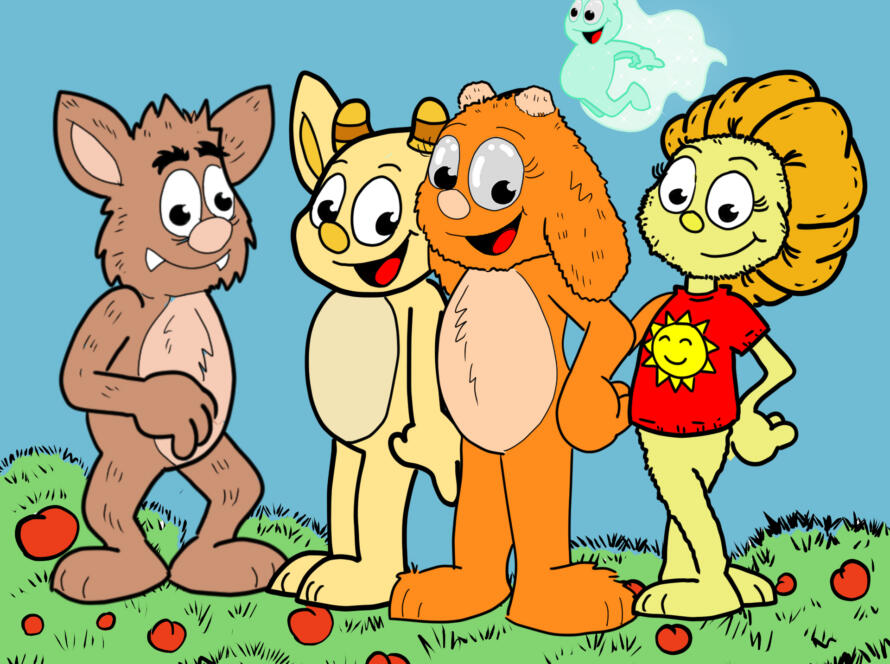
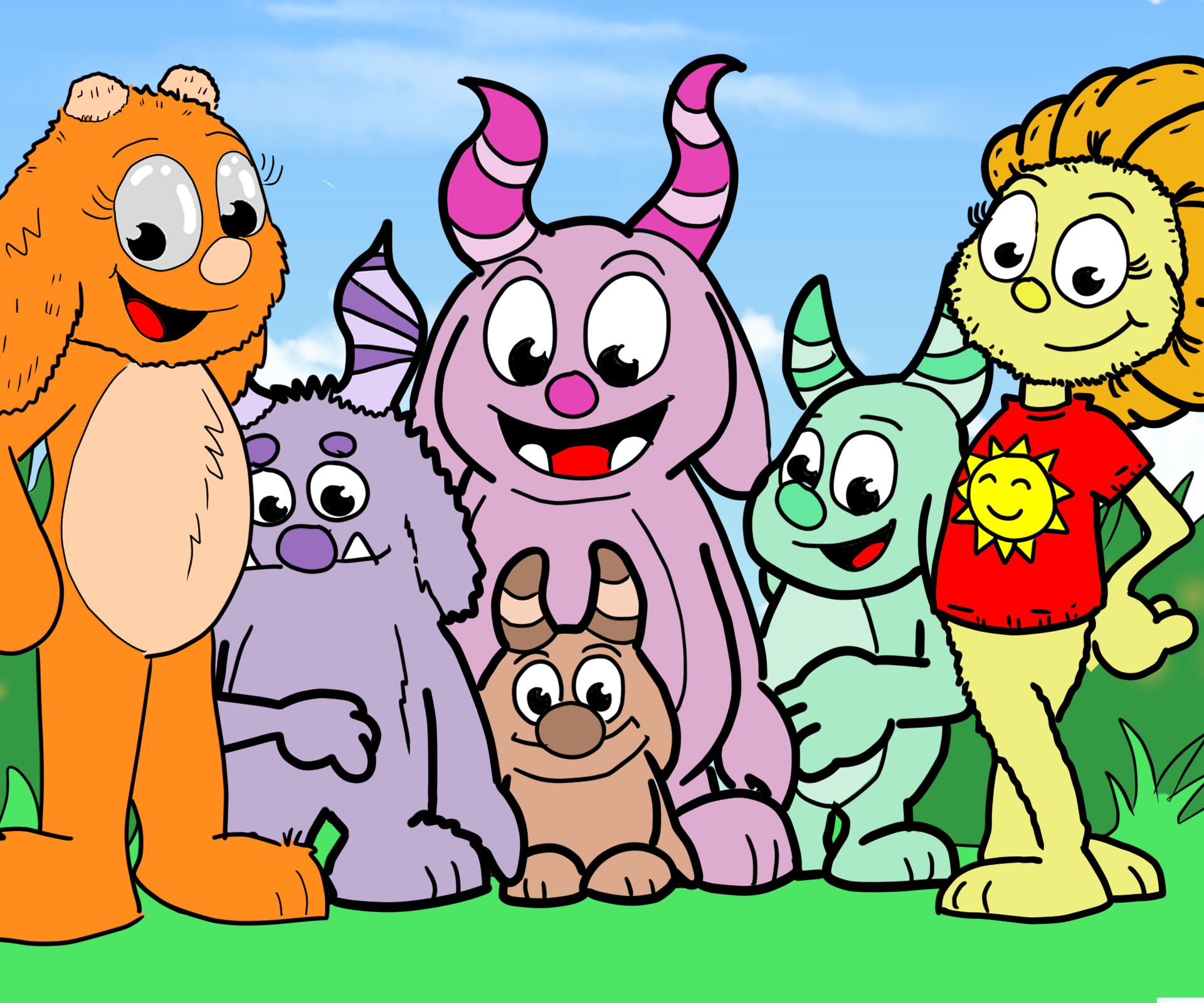
That’s the idea behind Flora Fluffhorn — a small, soft creature who doesn’t frighten anyone. Instead, she bakes treats, worries about her friends, and tries to make good choices even when she feels scared.
Stories like this are part of a growing shift in empowering kids books — books that help children feel safe, capable, and understood rather than simply entertained.
And surprisingly, monsters are one of the best ways to do it.
Why monsters actually help children feel safe
Children don’t see monsters the same way adults do.
For kids, monsters are symbols.
They represent:
• fear
• big emotions
• uncertainty
• new experiences
Traditionally, monsters are something to defeat. The hero beats them, runs away, or destroys them.
But modern children’s literature is changing.
In many positive messages in children’s stories, the monster isn’t the enemy. Instead, the monster becomes a friend — or even the hero.
This matters because children often feel like they themselves are different, worried, or unsure. When the character who saves the day is a gentle monster, it quietly tells them:
You don’t have to be big, loud, or brave all the time to matter.
Meet the “Kind Monster”
Flora is what we call a kind monster.
She’s small.
She worries.
She overthinks.
She cares deeply about others.
She isn’t fearless — she’s compassionate.
That’s an important difference.
Many traditional heroes are confident and certain. Young readers sometimes struggle to relate to those characters. But kind monsters feel familiar. They make mistakes, feel nervous, and still try to do the right thing.
Instead of teaching children:
“Be the strongest.”
These stories teach:
“Be thoughtful.”
And that’s exactly the message many parents are looking for in empowering kids books.
Kindness is a skill (and stories teach it)
Children don’t automatically know how to be kind.
Kindness is learned through:
• modelling
• repetition
• emotional connection
Stories provide all three.
When children watch Flora leave berries for animals, help a friend, or pause before acting, they aren’t being lectured — they’re experiencing the behaviour through narrative.
This is why positive messages in children’s stories work better than direct instruction.
Children resist lessons, but they embrace stories.
Instead of saying:
“You should share.”
A story shows:
Sharing makes friendships stronger.
Instead of saying:
“Think before you act.”
A character shows:
Pausing helped solve the problem.
Children absorb the behaviour naturally.
Why unusual heroes matter
Most heroes in media share similar traits: brave, powerful, confident, fast.
But many children don’t feel like that.
Some are:
• shy
• sensitive
• cautious
• thoughtful
• anxious in new situations
When every hero is bold and fearless, these children quietly start believing something is wrong with them.
Characters like Flora change that.
She hesitates before entering the woods.
She worries about making the right choice.
She thinks about others.
And she is still the hero.
This is the heart of empowering kids books — not telling children to become someone else, but helping them understand:
Who you already are can be enough.
Why consistency matters in teaching values
Values are not learned in one conversation.
They are built over time.
By placing a values reflection at the end of each chapter, children begin to expect that stories connect to real life.
This consistency helps them internalise the idea that:
Stories aren’t just entertainment.
They’re practice.
Practice for friendship.
Practice for bravery.
Practice for handling tricky situations.
And because each value is tied to a specific event in the story, it feels concrete rather than abstract.
Teaching values without preaching
Parents often want books that teach values, but children don’t enjoy books that feel like lessons.
The solution is storytelling.
Flora doesn’t stand in front of readers explaining morals.
She simply lives them.
Across her adventures, children encounter:
• courage (taking a step even when scared)
• responsibility (thinking about others)
• awareness (noticing what’s happening around her)
• trust (choosing honesty carefully)
• perseverance (continuing when things are hard)
Because these values appear naturally in the story, they feel real instead of instructional. This is one of the strengths of positive messages in children’s stories — values are shown through actions, not speeches.
Stories shape character quietly
One of the most powerful things about children’s literature is that it shapes identity gently.
A child who reads about brave, thoughtful characters begins to see those traits as normal.
A child who sees kindness rewarded begins to value kindness.
A child who watches perseverance in action begins to believe that not giving up is worthwhile.
When values are woven into adventure — rather than added as an afterthought — they feel real.
And when children see those values repeatedly across chapters, they begin to absorb them naturally.
Why kids love gentle adventure
Children still want adventure.
They still want excitement, mystery, and magical places.
The difference is how problems are solved.
In Flora’s world, problems aren’t fixed by fighting.
They’re solved by:
• thinking
• listening
• helping
• learning
This gives children a new understanding of strength.
Strength doesn’t always look like winning a battle.
Sometimes strength looks like:
• asking for help
• telling the truth
• admitting fear
• protecting others
That’s a powerful idea for young readers.
The real message behind Flora
Flora Fluffhorn isn’t meant to replace classic heroes.
She’s meant to broaden what a hero can be.
A hero can be soft.
A hero can be worried.
A hero can be gentle.
And a monster can have a very big heart.
In a world where children constantly compare themselves to others, kind monsters offer reassurance. They quietly tell readers:
You don’t have to roar to be brave.
You don’t have to be loud to matter.
And you don’t have to be scary to be strong.
That’s the magic of stories — and the reason empowering kids books and positive messages in children’s stories are more important than ever.